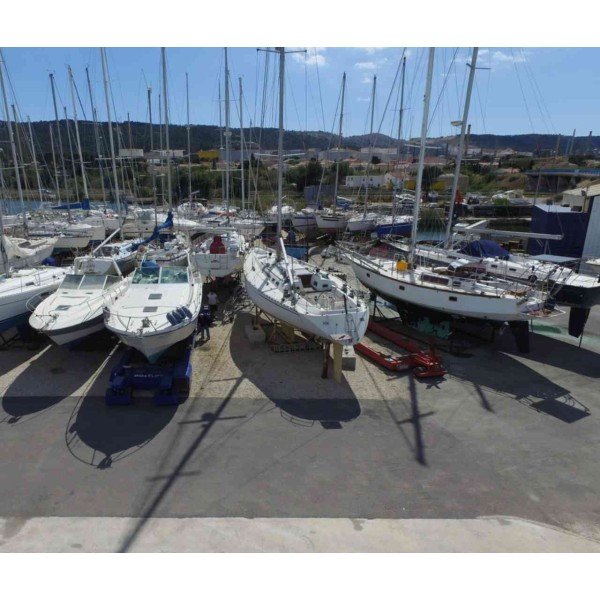

Discover dry docks in the Mediterranean: advantages, operation and practical advice
Over the past few years, the dry port option in the Mediterranean has been gaining popularity among boaters. Along the shores of the Étang de Berre, this type of facility appeals equally to owners of sailboats and motorboats. Modernity, safety, and space optimization are among the qualities frequently highlighted by users. Let’s take a closer look at a solution that is reinventing parking, berth management, and the maintenance of various types of boats throughout the year.
From easier hull cleaning to competitive pricing, along with flexible annual or monthly storage, the dry port model is already shaping a new network of ports in the Mediterranean—far from the traditional image of a simple marina dock. Let’s explore how it works, its concrete advantages, and some tips for choosing the best option along this sought-after coastline.
Why choose a dry port in the Mediterranean?
The dry port offers many advantages for those wishing to keep their boat close to navigable waters while optimizing its lifespan. Unlike traditional mooring, this storage method protects the vessel from constant exposure to saltwater, significantly reducing corrosion and the buildup of fouling on the hull. This, in turn, limits both the frequency and cost of hull cleaning.
In addition to preserving the integrity of your sailboat or motorboat, a dry port also provides unprecedented flexibility in how you organize your outings. Storing boats out of the water simplifies handling for all types of vessels and helps avoid the hassle of finding a traditional berth, which becomes increasingly scarce during the Mediterranean summer season.
What are the differences between a dry port and a traditional marina?
Choosing a berth on land can radically transform a boater’s routine. But what are the concrete differences between these two options for both the owner and the boat?
Traditional marinas offer pontoons or docks where boats are moored directly in the water, while a dry port operates with land-based storage, often using multi-level racks or secure paved areas. This choice impacts both parking management and the terms of access and maintenance.
What impact on maintenance and hull cleaning?
Dry storage reduces the need for intensive hull cleaning, as the boat’s hull is exposed to water for shorter periods. It becomes easier to schedule major maintenance work without depending on tides or weather conditions.
Launching and retrieving the boat is typically carried out using specialized equipment provided by the port, ensuring professional handling suited to each vessel.
Impact on pricing: costs to consider
In the Mediterranean, particularly around the Étang de Berre, dry port pricing varies depending on boat size, the selected period (annual or monthly), and additional services offered. This storage method is often more affordable than traditional marina berths, especially along the coast where availability is increasingly limited.
Savings mainly come from reduced wear on the boat and lower maintenance costs over time. As a result, the initial investment in an annual or monthly plan often proves more cost-effective for many owners seeking good value for money.
What types of boats benefit from dry ports in the Mediterranean?
Along the southern French coast, all kinds of vessels can be found in dry port facilities—from small family sailboats to motorboats used for fishing or leisure cruising. This diversity is largely due to the adaptability of facilities across a broad network of ports.
Some larger vessels may require specialized equipment. However, most private operators around the Étang de Berre, supported by modern logistics, can accommodate a wide range of sizes. Proper supports ensure safety throughout the storage period, whether for a few weeks or a full year.
Motorboats: simplicity and speed of use
Motorboats particularly benefit from dry port storage thanks to easy launching and versatile use, from short outings to water sports activities. Easy access to launching ramps allows quick enjoyment of a beautiful day on the Mediterranean, even during peak summer traffic.
This setup appeals to both families looking to maximize leisure time and enthusiasts seeking practicality and flexibility.
Sailboats: ideal protection from the elements
Sailboats, which are vulnerable to constant moisture, greatly benefit from dry storage. Maintenance costs are reduced, especially during long periods without sailing. Many owners extend the lifespan of their rigging by alternating annual dry storage with occasional launches when weather conditions allow.
Depending on the structure of the port network around the Étang de Berre, some facilities even offer dedicated areas for sailboats, including professional support for mast stepping, unstepping, and technical operations.
How is access organized in dry ports?
One of the main criteria when choosing a berth is ease of access and the ability to reach your storage area easily, even during peak season. In the Mediterranean, many private sites offer secure access, video surveillance, and entry controls.
Many dry ports provide extended opening hours, from early morning to late evening. Some even offer 24/7 access via personal badges. Near the Étang de Berre, quick access from highways makes it easy for boaters traveling from Marseille, Aix-en-Provence, or Avignon.
Planning ahead for availability
Booking a dry port berth often requires planning ahead, especially during summer or major local boating events. Early reservation ensures storage availability and may grant access to additional services such as preventive maintenance or supervised winter storage.
For those seeking peace of mind, opting for annual storage is common. This guarantees a reserved space and avoids last-minute availability issues.
Toward a connected port network
In the Mediterranean, some operators are working toward creating a true network of ports, promoting customer mobility and shared best practices. This could lead to combined offers where an annual subscription allows access to multiple sites, linking the Étang de Berre to other strategic coastal locations.
Such a model would support regional tourism development while meeting modern expectations for flexibility and freedom of movement at sea.
Which Mediterranean dry ports should you choose?
Top destinations across France include Port Napoléon, Navy Service, Port Maritima, as well as Hyères and Leucate. These sites combine user experience, personalized service, and logistical innovation.
Other options, such as Port-Saint-Louis, also benefit from longstanding expertise. Comparing facilities—handling services, storage, security—helps determine the best solution for your specific needs, whether for a high-performance sailboat or a large rigid inflatable motorboat.
Comparing additional services
A key factor when choosing a port is evaluating the additional services included: technical assistance, dedicated hull cleaning areas, covered or open winter storage, continuous surveillance, and access to specialized workshops. Amenities such as clean facilities, clear signage, and a friendly atmosphere also enhance the overall experience.
While pricing remains important, the year-round experience often weighs just as heavily, as the goal is to enjoy your boating activities with peace of mind.
Considering location and surroundings
Being close to the heart of the Mediterranean while benefiting from efficient road access greatly simplifies spontaneous departures and reduces travel fatigue. The location of the Étang de Berre, near many dynamic cities, offers an ideal balance between authenticity and modern convenience.
The surrounding natural environment also plays a role: nearby discovery routes, water sports centers, and welcoming restaurants encourage longer stays and varied experiences with family or friends.
Dry ports: a solution for the future
Along the shores of the Étang de Berre and across the Mediterranean, the rise of dry ports reflects a lasting transformation in the boating industry. Combining boat preservation, personalized advice, and efficient berth management, this alternative appeals both for its eco-friendly use of space and the sense of community it fosters among boaters.
Blending technical innovation with tradition, finding the right storage solution with easy access has become a key factor in fully enjoying the Mediterranean lifestyle aboard your favorite vessel all year round.