
Motorboat Maintenance: Essential Tips and Annual Cost Estimates
Owning a motorboat offers unmatched freedom, whether you're cruising along the Mediterranean coastline, exploring sheltered bays, or enjoying weekend outings with family and friends. However, keeping a vessel in excellent condition requires more than simply fueling up and heading out to sea. Regular motorboat maintenance is essential to ensure reliability, safety, performance, and long-term value.
From routine engine servicing to hull protection and winter storage, every aspect of boat ownership contributes to the overall operating budget. Understanding these requirements helps boat owners avoid costly repairs and enjoy worry-free navigation throughout the year.
Why Is Regular Motorboat Maintenance Important?
Like any mechanical asset exposed to harsh environmental conditions, a motorboat requires ongoing care. Saltwater, UV exposure, humidity, and constant vibration place significant stress on engines, electrical systems, and structural components.
Routine maintenance not only reduces the risk of breakdowns but also extends the lifespan of the vessel. A well-maintained boat performs more efficiently, consumes less fuel, retains a higher resale value, and provides greater safety for passengers and crew.
Keeping detailed maintenance records can also prove valuable when selling your boat, as prospective buyers often look for evidence of consistent servicing and professional care.
Key Areas of Motorboat Maintenance
Effective boat maintenance involves several important areas, all of which should be monitored throughout the year. Establishing a preventative maintenance schedule is the best way to minimize unexpected expenses and ensure your vessel remains ready for use.
Engine Maintenance
The engine is the heart of any motorboat. Regular oil changes, fuel filter replacement, cooling system inspections, and belt checks are essential to maintaining reliability. Outboard and inboard engines both require periodic servicing according to manufacturer recommendations.
Boat owners should also monitor battery performance, alternator operation, fuel lines, and engine mounts. Small issues discovered early can often prevent major repairs later.
For boats used frequently in saltwater environments, flushing the engine after each outing is strongly recommended to reduce corrosion and mineral deposits.
Hull and Underwater Protection
Marine growth can significantly impact fuel efficiency and boat performance. Applying a quality antifouling coating helps protect the hull against algae, barnacles, and other marine organisms.
Most boat owners renew antifouling protection annually, particularly when the vessel remains in the water for extended periods. Regular hull inspections also allow early detection of damage, osmosis, or corrosion that could lead to more expensive repairs.
Electrical and Safety Systems
Modern boats rely heavily on electrical equipment, including navigation systems, radios, pumps, lighting, and battery banks. Routine inspections help ensure that all systems function correctly when needed.
Safety equipment should also be checked regularly. Life jackets, VHF radios, navigation lights, emergency beacons, fire extinguishers, and bilge pumps should remain fully operational throughout the boating season.
Boat Handling and Haul-Out Operations
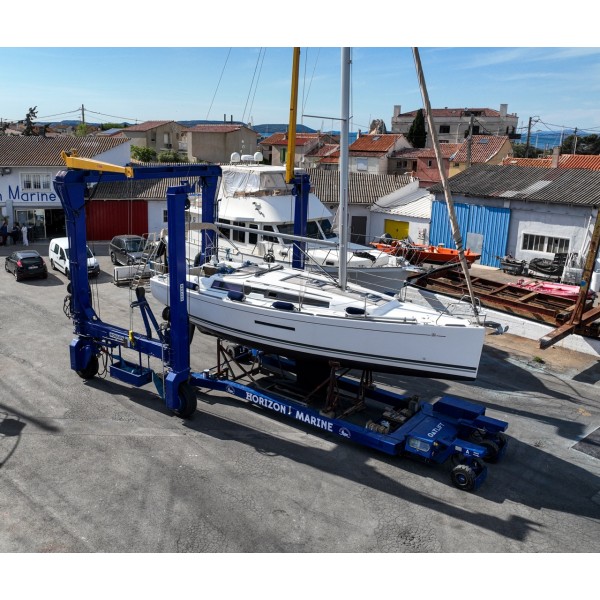
Many maintenance procedures require the boat to be lifted out of the water. Haul-out operations allow technicians to inspect the hull, apply antifouling treatments, service underwater components, and prepare the vessel for winter storage.
Professional lifting and launching services play a crucial role in maintaining your boat safely. If you're looking for expert assistance in Provence, discover Horizon Marine's dedicated boat handling services in the Mediterranean, including lifting, launching, transport, and haul-out operations for sailboats, motorboats, and yachts.
How Much Does Motorboat Maintenance Cost Per Year?
Annual maintenance costs vary considerably depending on the size of the vessel, engine type, usage frequency, and storage arrangements. As a general guideline, many boat owners allocate between 5% and 10% of the boat's purchase value annually to maintenance and upkeep.
Typical annual maintenance expenses may include:
- Engine servicing and mechanical inspections
- Oil, filters, belts, and consumable parts
- Hull cleaning and antifouling application
- Battery maintenance and electrical checks
- Safety equipment inspections
- Winterization procedures
- Professional haul-out and launching services
Smaller recreational boats equipped with outboard engines generally incur lower maintenance costs than larger cruising yachts or offshore vessels that require extensive technical support.
Additional Ownership Costs
Beyond maintenance itself, boat owners should also budget for other recurring expenses. These may include marina berthing fees, insurance, local taxes, fuel consumption, and winter storage.
Dry storage can often reduce long-term wear by protecting the vessel from constant exposure to water and weather conditions. Depending on location and boat size, winter storage costs can represent a significant portion of the annual ownership budget.
How to Reduce Long-Term Maintenance Costs
Preventative maintenance remains the most effective strategy for controlling expenses. Addressing minor issues before they develop into major failures helps avoid costly repairs and prolonged downtime.
Simple tasks such as washing the boat after use, monitoring fluid levels, inspecting hoses, replacing sacrificial anodes, and keeping batteries properly charged can make a substantial difference over time.
Working with experienced marine professionals also helps identify developing issues early while ensuring maintenance procedures are performed according to industry standards and manufacturer specifications.
Prepare Your Boat for Every Season
Seasonal preparation is one of the most important aspects of responsible boat ownership. Before the boating season begins, a complete inspection of mechanical, electrical, and safety systems should be carried out. At the end of the season, winterization procedures help protect the vessel during periods of inactivity.
Whether you own a compact day boat, a family cruiser, or a large motor yacht, investing in proper maintenance will improve reliability, increase resale value, and enhance every moment spent on the water.
By combining routine servicing, professional boat handling operations, and a well-planned maintenance schedule, you can enjoy safe and stress-free boating throughout the Mediterranean and beyond.